

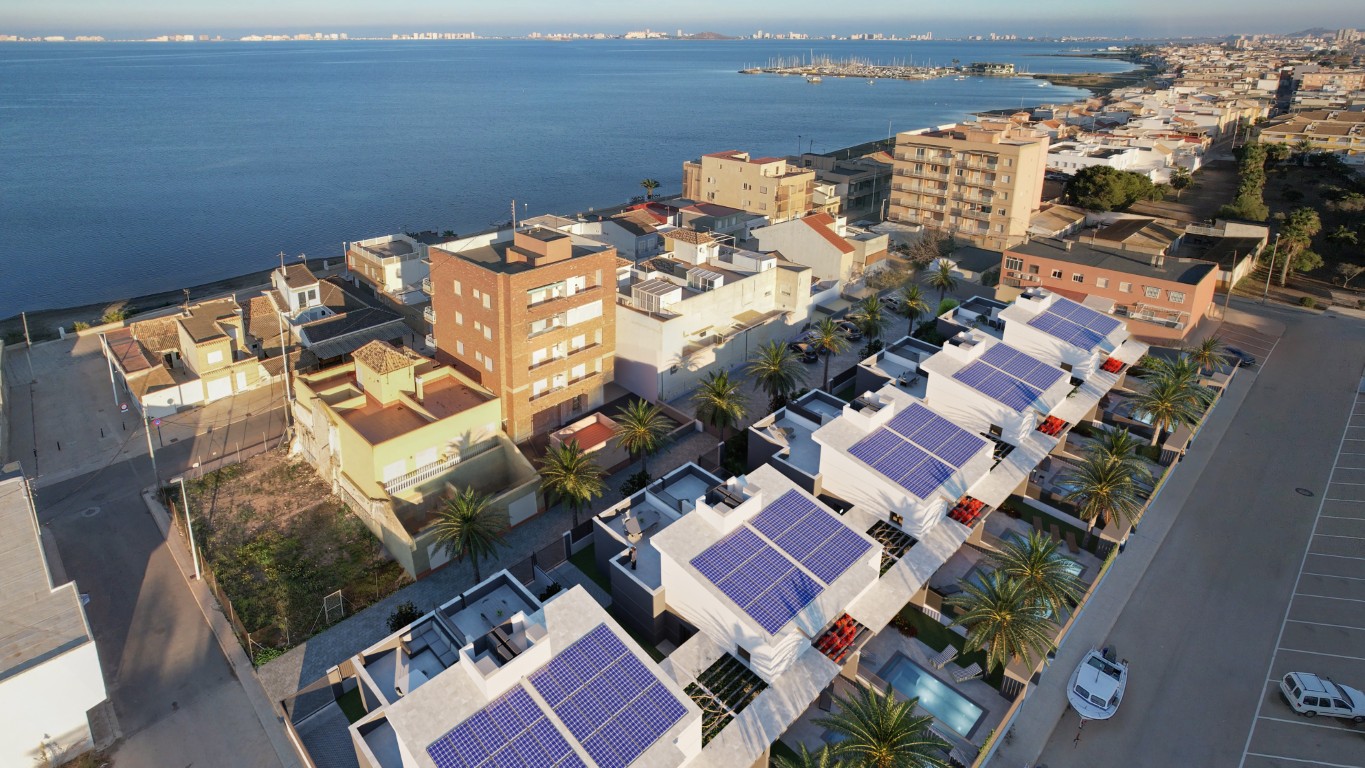
The Costa Blanca real estate market in 2026 is defined by one word: Liquidity. With international demand from Scandinavia, Benelux, and North America hitting record highs, well-positioned properties are moving faster than ever. However, the legal and fiscal landscape has shifted.
If you are planning to list your home this year, you aren’t just competing with the villa next door; you are competing with a new standard of digital presentation and a reformed tax code. This guide breaks down exactly what it costs to sell in 2026 and the strategy required to exit at the highest possible price.
Key Takeaways
- Total selling costs: budget roughly 4–7% of the sale price — estate agent 3–5% (+VAT), lawyer ~1% (+VAT), plus EPC, Cédula de Habitabilidad and municipal Plusvalía.
- Capital Gains Tax: 19% for EU/EEA non-residents, 24% for non-EU non-residents (e.g. UK/USA), and a 19–30% progressive scale for Spanish residents.
- Non-resident sellers: the buyer withholds a 3% retención and pays it to Hacienda as an advance on your CGT (refundable if your liability is lower).
- From 1 June 2026, Valencian ITP drops from 10% to 9% — a useful marketing lever even though the buyer pays it.
- Tourist licenses no longer transfer automatically to the new owner in the Valencia region.
- Energy efficiency sells: EPC A–C homes sell up to 12% faster than F/G-rated properties.
1. The 2026 Tax Landscape: A Game-Changer for Sellers
While most sellers focus on their “walk-away” number, the 2026 fiscal year introduced specific changes in the Valencian Community that directly impact your bottom line.
The June 1st Tax Reform
Starting June 1, 2026, the Valencian Community has implemented a significant reduction in property taxes. While ITP (Property Transfer Tax) is paid by the buyer, the reduction from 10% to 9% is a massive psychological and financial lever for sellers.
Strategy Tip: If you are listing in April or May, highlight this upcoming tax break in your marketing. It effectively gives your buyer 1% more purchasing power, which can be the difference between a “low-ball” offer and a full-price contract.
Capital Gains Tax (CGT) in 2026
Capital Gains Tax remains the most significant expense for most sellers. It is calculated on the profit—the difference between your original (adjusted) purchase price and your final sale price.
- For Spanish Residents: You are taxed on a progressive scale of 19% to 30% (with the top tier applying to gains over €300,000).
- For Non-Residents (EU/EEA): A flat rate of 19%.
- For Non-Residents (Non-EU, e.g., UK, USA): A flat rate of 24%.
The 3% Withholding (Retención): If you are a non-resident, the buyer is legally required to withhold 3% of the total purchase price and pay it directly to the Spanish Tax Office (Hacienda) on your behalf. This is a “down payment” on your CGT. If your actual tax liability is lower than 3%, you can claim a refund, though this process can take 6–12 months.

Municipal Plusvalía
This is a local tax paid to the Town Hall (Ayuntamiento) based on the increase in the value of the land during your ownership. In 2026, you can choose between two calculation methods: the Real Value (actual profit on the land) or the Objective Method (a formula based on the cadastral value). A savvy lawyer will calculate both and choose the lower option.
2. The Seller’s Cost Checklist: 2026 Estimates
Beyond taxes, you must budget for the administrative and professional costs of the transaction. For a standard €400,000 villa in Calpe or Altea, expect the following:
| Expense | Estimated Cost (2026) | Who Pays? |
| Estate Agent Fee | 3% – 5% (+ VAT) | Seller |
| Legal Fees (Lawyer) | 1% (+ VAT) | Seller |
| Energy Certificate (EPC) | €150 – €450 | Seller |
| Plusvalía Tax | Varies by municipality | Seller |
| Cédula de Habitabilidad | €150 – €300 | Seller |
| Mortgage Cancellation | 0.5% – 1% (if applicable) | Seller |
3. 2026 Strategic Selling: The “Brokla” Method
In 2026, a “For Sale” sign and a few iPhone photos are no longer enough. To attract the high-net-worth international buyers currently flooding the Costa Blanca, your strategy must be tech-forward.
The Tourist License Trap
A critical update for 2026: Tourist licenses in the Valencia region no longer transfer automatically to the new owner. If you are selling a property as a rental investment, you must be transparent. The new buyer will need to re-apply or renew under the strict 2024/2025 regulations. Providing a “Municipal Compatibility Report” upfront can de-risk the deal for an investor and justify a premium price.
Property Descriptions
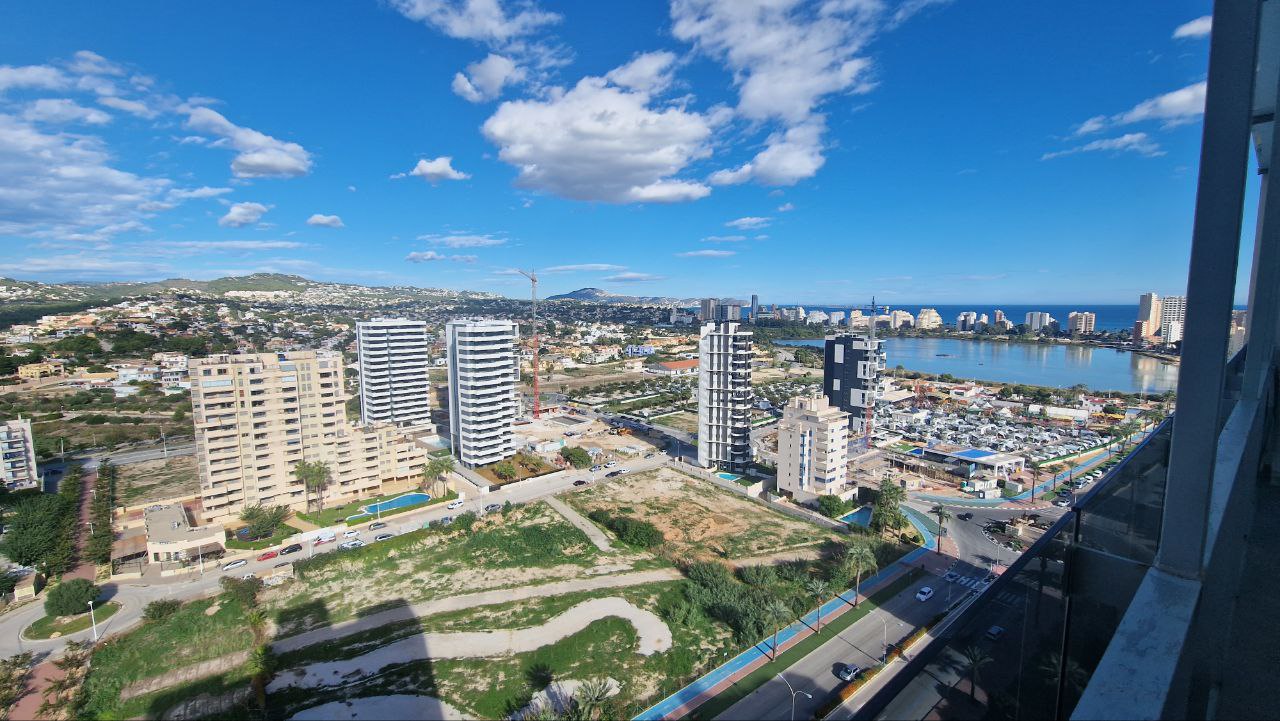
We no longer write for humans alone. We write for Answer Engines. When a buyer asks their AI, “Find me a modern villa in Villajoyosa with sea views and high energy efficiency,” your property description needs to be structured with entities and keywords that these engines can “read.”
- Avoid: “Lovely house with nice views.”
- Use: “Sustainable 3-bedroom villa in Villajoyosa featuring aerothermal heating, floor-to-ceiling Mediterranean views, and an EPC ‘A’ rating.”
AI Virtual Staging & VR
With 78% of international buyers preferring to view a property virtually before flying to Spain, your digital twin matters. In 2026, we utilize AI-driven virtual staging to show the potential of “older” resale properties. This allows a buyer to visualize a 1990s Altea villa with a 2026 minimalist interior without you spending a Euro on physical furniture.
4. Maximizing Value: The “Green” Premium
In 2026, energy efficiency is no longer a “nice to have”—it is a value driver. Properties with an EPC rating of A, B, or C are selling up to 12% faster than those with F or G ratings.
- Green Mortgages: Buyers can access lower interest rates for energy-efficient homes.
- Future-Proofing: With the EU’s tightening building directives, buyers are wary of “renovation debt.” If you have installed solar panels or aerothermal systems, make them the focal point of your listing.
Conclusion: Preparation is Profit
Selling property in Costa Blanca in 2026 requires a balance of fiscal precision and aggressive digital marketing. By understanding the June 1st tax incentives and preparing your Energy Certificate and Plusvalía calculations early, you remove the “friction” that kills most deals at the Notary.
For a detailed breakdown of how to prepare your finances before the sale, see our guide on Opening a Spanish Bank Account or review the Spanish Property Taxes 2026 page for specific regional updates.
Ready to list? Success in 2026 isn’t about finding any buyer; it’s about finding the right buyer who values the lifestyle and efficiency of the Costa Blanca.
Quick Checklist for Sellers:
- Request a “Nota Simple” to ensure no unexpected debts are registered.
- Renew your Cédula de Habitabilidad if it has expired (usually every 10 years).
- Calculate your CGT liability with a lawyer before accepting an offer.
- Invest in professional drone footage to highlight the coastal proximity.
Have question? Contact us today!
Frequently Asked Questions
How much does it cost to sell a property in Costa Blanca in 2026?
Expect to pay roughly 4-7% of the sale price. This covers the estate agent fee (3-5% + VAT), legal fees (around 1% + VAT), an Energy Performance Certificate (EUR 150-450), the Cedula de Habitabilidad (EUR 150-300), municipal Plusvalia tax, and mortgage cancellation costs (0.5-1%) if a mortgage is still registered.
How much capital gains tax do I pay when selling a property in Spain?
Spanish residents are taxed on a progressive scale from 19% to 30% (the top tier applies to gains above EUR 300,000). EU/EEA non-residents pay a flat 19%, while non-EU non-residents (such as UK and USA sellers) pay a flat 24%. CGT is charged on the profit between your adjusted purchase price and the final sale price.
What is the 3% retencion for non-resident sellers?
If you are a non-resident, the buyer is legally required to withhold 3% of the total purchase price and pay it directly to the Spanish Tax Office (Hacienda) as an advance on your Capital Gains Tax. If your actual liability is lower, you can claim a refund, though the process can take 6-12 months.
Does my tourist license transfer to the buyer?
No. As of 2026 in the Valencia region, tourist licenses no longer transfer automatically to the new owner. The buyer must re-apply or renew under the current regulations. Providing a Municipal Compatibility Report upfront can de-risk the deal and help justify a premium price.
What is the Plusvalia tax and how is it calculated?
Plusvalia is a local tax paid to the Town Hall (Ayuntamiento) based on the increase in the land value during your ownership. In 2026 you can choose between the Real Value method (actual profit on the land) or the Objective Method (a formula based on the cadastral value). A lawyer will calculate both and apply whichever is lower.
Does energy efficiency affect how fast my property sells?
Yes. Properties with an EPC rating of A, B or C are selling up to 12% faster than F or G rated homes, and they let buyers access lower-rate green mortgages. Highlighting solar panels or aerothermal systems can be a decisive value driver in 2026.
 English
  Español
  Nederlands
  Русский
  Français
  Polski